Does House and Garden Still Exist Today? What the Name Means Now and Why It Still Matters
Does House and Garden Still Exist Today? What the Name Means Now and Why It Still Matters
Yes, House and Garden still exists today. The name still refers to an active magazine and media brand, and it continues to shape how readers discover interiors, gardens, architecture, and lifestyle inspiration. If you have been wondering does House and Garden still exist, the short answer is yes—and in this article, you will learn what the name means now, how the brand evolved, and why it remains relevant in modern design culture.
Quick answer: yes, House and Garden still exists
House and Garden is still alive as a recognizable editorial brand, not just a nostalgic title from the past. For many readers, the name brings to mind elegant homes, thoughtful decoration, beautiful gardens, and a refined approach to living well. That association is still very much part of the brand’s identity today.
Depending on the country and edition, the publication may appear in print, online, or across social media, but the essential answer remains the same: House and Garden still exists as an active media presence. In practical terms, it is still a place where readers can find design ideas, interviews, room tours, garden features, and inspiration for the home.
This matters because the name has not simply survived as a label. It has continued to evolve, and that evolution tells us a lot about how lifestyle publishing works now.
What House and Garden means today
From a literal phrase to a lifestyle brand
At first glance, the phrase “house and garden” sounds descriptive: a home and the outdoor space around it. But in editorial and branding terms, it has come to mean much more. Today, the name stands for a curated world of taste, style, and domestic aspiration. It is less about the literal objects themselves and more about the broader experience of living beautifully.
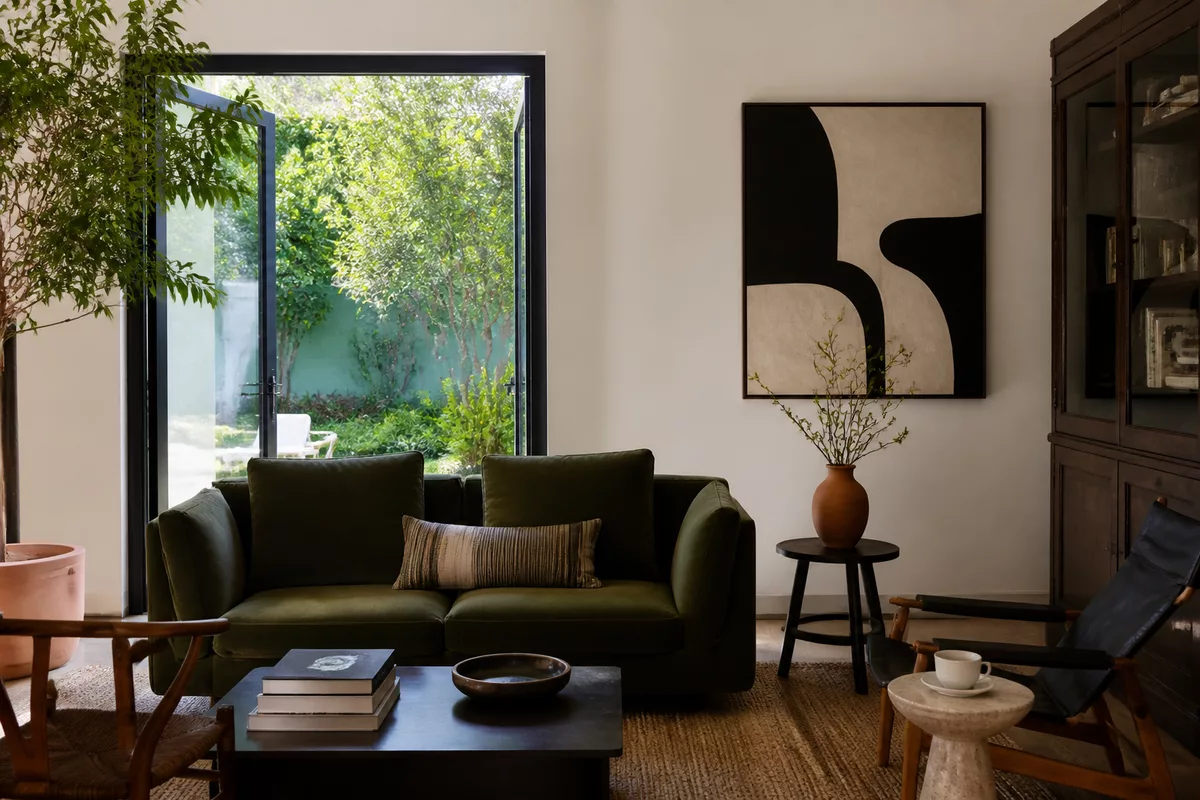
Modern readers do not just expect a magazine with pictures of houses and plants. They expect a point of view. House and Garden now signals an interest in how interiors connect to architecture, how gardens extend living spaces, and how design choices shape daily life. The brand sits at the intersection of interiors, architecture, garden design, decorating, craftsmanship, and outdoor living.
That shift is important. The title still sounds timeless, but its meaning has expanded. It now suggests a complete lifestyle aesthetic rather than a narrow category.
Why the name still works
Some publication names lose force over time, but House and Garden continues to feel credible because it carries heritage. It sounds established, editorial, and reassuringly expert. That heritage gives the title weight in a crowded media environment where many brands compete for attention with trendy or overly generic names.
The name also works because it is broad enough to cover a wide range of content while still being specific. It can include a country kitchen, a minimalist city apartment, a formal garden, a contemporary extension, or a decorative scheme built around color and texture. In other words, the title offers both scope and identity.
For readers, that creates a sense of trust. A name like House and Garden implies a considered editorial standard. It suggests that the brand values design quality, good taste, and visual storytelling. That is a powerful signal in a market where readers want inspiration they can trust.
A short history of the House and Garden brand
Where the title came from
The title House and Garden has its roots in traditional lifestyle publishing, when magazines focused on domestic ideals, architecture, and the art of making a home. The name itself was straightforward and appealing: it promised content about two of the most enduring topics in domestic life. That clarity helped the brand stand out and remain memorable.
Although the exact editorial history can vary by edition and country, the brand became associated with high-end home content, tasteful decoration, and aspirational living. Over time, it developed a reputation for sophistication, which helped define the expectations readers now bring to the name.
How the publication evolved over time
Like many long-running media brands, House and Garden evolved alongside changes in audience behavior and publishing technology. Early editions focused heavily on print presentation, with carefully styled photography, polished features, and a strong editorial voice. As design culture became more visual and more accessible, the brand adapted by broadening its coverage and refining its aesthetic.
Over time, the emphasis expanded from traditional decorating to include a wider range of subjects. Readers began to expect features on contemporary architecture, renovation, landscape design, artful interiors, product recommendations, and homes with a strong sense of personality. This broader editorial mix kept the brand relevant to newer generations of readers.
Then came the digital shift. Online publishing changed how audiences discover content, and House and Garden adapted by extending its presence beyond print. The modern brand now lives across websites, newsletters, social platforms, and searchable archives, allowing it to reach readers who may never pick up a physical issue.
This evolution matters because it shows that House and Garden did not survive by staying exactly the same. It survived by staying recognizable while changing enough to match modern habits.
What readers can expect from House and Garden now
Editorial focus today
Today, House and Garden is best understood as a premium lifestyle and design brand. Readers can typically expect a mix of interiors, garden features, style inspiration, expert perspectives, and visually rich storytelling. The content often emphasizes atmosphere as much as utility, which means the photography and presentation are just as important as the practical advice.
In many respects, the modern editorial approach reflects the way people actually live now. Homes are no longer seen as isolated spaces; they are linked to outdoor areas, remote work, entertaining, wellness, and personal expression. Gardens, terraces, balconies, and courtyards are part of the same lifestyle conversation as living rooms, kitchens, and bedrooms.
That is why the brand still resonates. It offers a coherent vision of home life that feels both aspirational and usable. Readers may come for the beautiful images, but they stay for the ideas behind them.
Print, digital, and brand presence
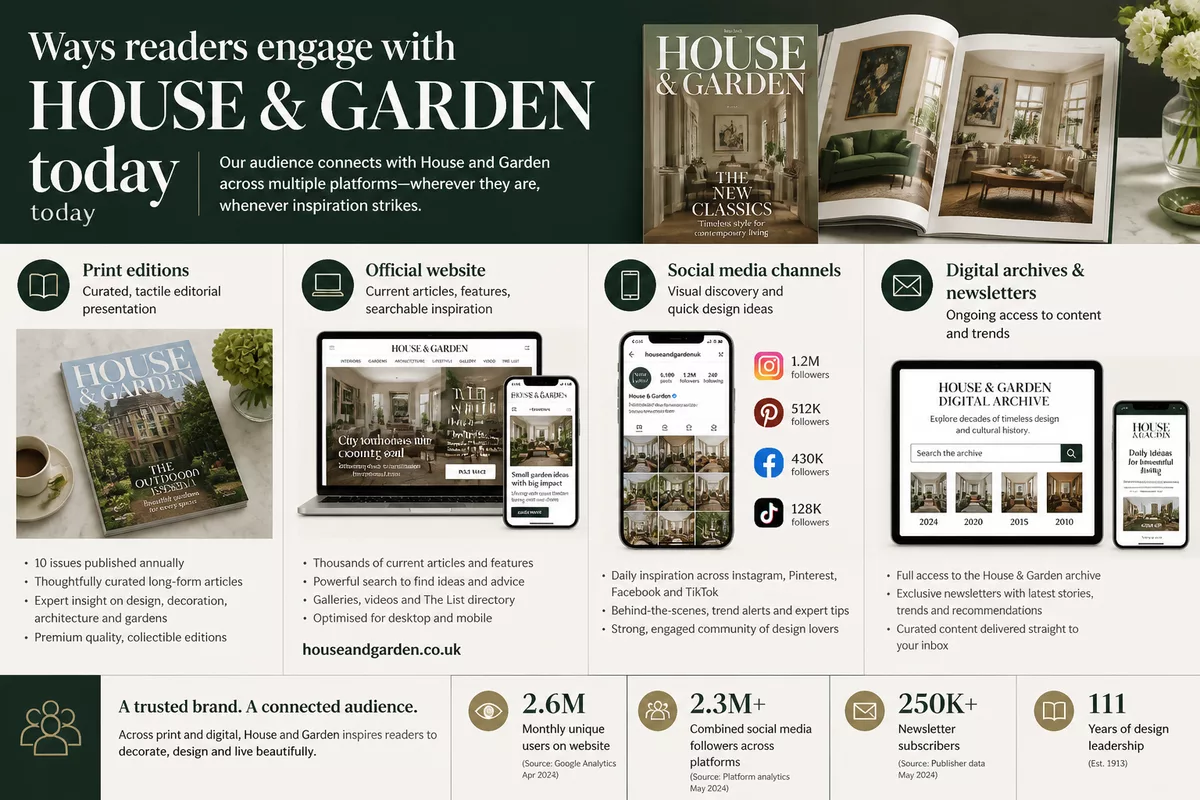
House and Garden is not just a print magazine anymore. Its brand presence typically extends across digital channels, where readers can browse articles, discover new projects, and follow ongoing editorial themes. This hybrid model helps the publication stay relevant in a media landscape shaped by search, social sharing, and mobile reading.
For readers, that means there are several ways to engage with the brand:
- Print editions for readers who enjoy curated, tactile editorial presentation.
- The official website for current articles, features, and searchable inspiration.
- Social media channels for visual discovery and quick design ideas.
- Digital archives and newsletters where available, offering ongoing access to content and trends.
This multi-platform presence is a big part of why the brand still matters. House and Garden is no longer just a magazine on a shelf; it is a living editorial ecosystem.
Is House and Garden a magazine or just a phrase
The brand versus the generic meaning
One common source of confusion is the difference between the publication and the everyday phrase “house and garden.” In ordinary speech, the phrase can simply mean a home with outdoor space. But as a brand, House and Garden refers to a specific media identity with editorial consistency, visual style, and a recognizable audience.
That distinction is important. A generic phrase describes something broadly; a brand name creates expectations. When people ask does House and Garden still exist, they are usually asking whether the magazine or media brand is still active, not whether the words themselves are still useful in English. The answer, again, is yes.
The brand’s recognizability comes from decades of consistent association with stylish homes and garden living. Even people who do not follow it closely often understand that the name points to a certain level of quality and taste.
Common confusion to avoid
It is easy to assume that an older publication has disappeared if you do not see it on a newsstand as often as before. But a magazine can still be very much alive through its website, digital subscriptions, or regional editions. It can also undergo changes in ownership, format, or publishing frequency without losing its identity.
Another common misunderstanding is that House and Garden is only about gardening. In reality, it has long been about the relationship between the home and its surroundings. The garden is part of the story, but so are interiors, architecture, and the overall way a space feels.
So if you are wondering whether the name refers to a magazine, a style category, or a simple phrase, the answer is: it can mean all three, but only one of them is the established media brand.
Frequently asked questions
Is House and Garden still published
Yes. House and Garden is still published in active forms, including digital channels and, depending on the edition, print issues as well.
What does the name House and Garden mean now
Today, the name means a curated design and lifestyle brand focused on beautiful homes, gardens, architecture, and elegant living. It represents editorial taste more than a literal description.
Where can I read House and Garden today
You can usually read House and Garden through its official website, digital platforms, social media channels, and any current print edition available in your region.
Is House and Garden mainly about homes or gardens
It is about both, but not in equal isolation. The brand treats homes and gardens as connected parts of a broader design story, with additional coverage often extending into architecture, renovation, and lifestyle inspiration.
Conclusion: what the name means now
So, does House and Garden still exist? Yes—it absolutely does. The brand remains active, recognizable, and relevant, even as the way people consume design media has changed. What once sounded like a simple phrase now carries decades of editorial authority and a clear lifestyle identity.
Today, House and Garden means more than a house with a garden. It means a carefully shaped world of interiors, outdoor living, visual inspiration, and design taste. That is why the title still matters: it continues to promise readers something timeless, elegant, and useful.
If you remember one thing, let it be this: House and Garden is not just still here—it has successfully turned a classic name into a modern design brand.